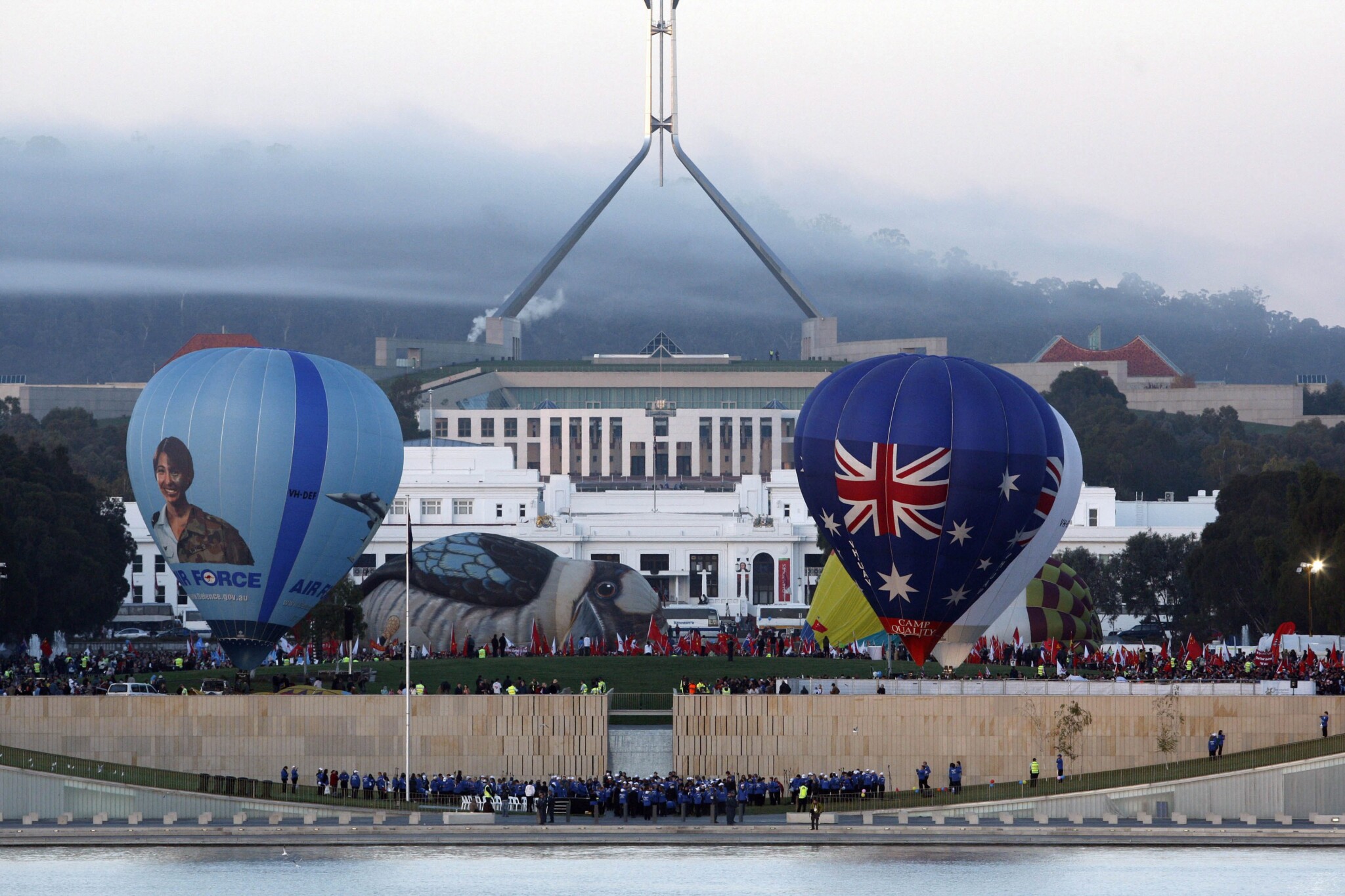
If you were asked to pick Canada’s constitutional cousin, the country most like Canada in terms of its legal history, legal DNA, Westminster-type set-up, and such, I don’t think there is any doubt that the answer would have to be Australia. These two were the main focus of the British Parliament’s 1931 Statute of Westminster, granting legislative independence to the self-governing dominions of the British Empire. Of the old dominions, Canada and Australia were the glittering stars who would go on to perform heroically in the Second World War and, postwar, deliver some of the highest living standards and most civil liberties of any countries on earth.
Both are geographically huge, with huge chunks of each being inhospitable lands. Both have Westminster parliamentary systems. Both opted for federalism. Now there are two models of federalism. Call them the U.S. and the Canadian models. The latter lists the heads of powers of the centre and of the regions. By contrast, the U.S. model lists only the powers the centre will get and then says everything not listed goes to the states. Australia opted for the U.S. model of federalism. Both are still constitutional monarchies. For most of their histories, both have been among the best places on earth to live.

But since 1982, there has been one enormous difference. Canada opted for an entrenched bill of rights that would hand dollops of social policy line-drawing powers to the unelected judges. Australia did not. Indeed, to this day, Australia has shunned a national bill of rights, be it an entrenched-in-the-Constitution one or a statutory one.
There have been two attempts to amend the Australian Constitution to do this. Both failed badly. Why? Because Australia’s founders opted to copy Switzerland and give the final say on all constitutional amendments to its voters, not simply to the political class at the federal and provincial levels. So, where Pierre Trudeau could bring in Canada’s Charter of Rights without ever putting it to an election or in any way asking the voters, in Australia, you must hold a national constitutional referendum. The most recent of two attempts by proponents of a bill of rights was in 1988. Voters laughed the “Do you want a bill of rights?” question out of court, the proposal losing badly, both nationally as well as in every single state.
Should unelected judges have the final say on social policy, or should this power rest with elected officials?
Does Australia's lack of a national bill of rights lead to fewer civil liberties than in Canada?
Why did Australia reject attempts to introduce a national bill of rights, unlike Canada?







Comments (3)
It is amazing that we in Canada are so blind to the power Mr. Trudeau’s charter invested in the unelected courts. Thanks to Professor Allan for pointing this out in a most effective way.