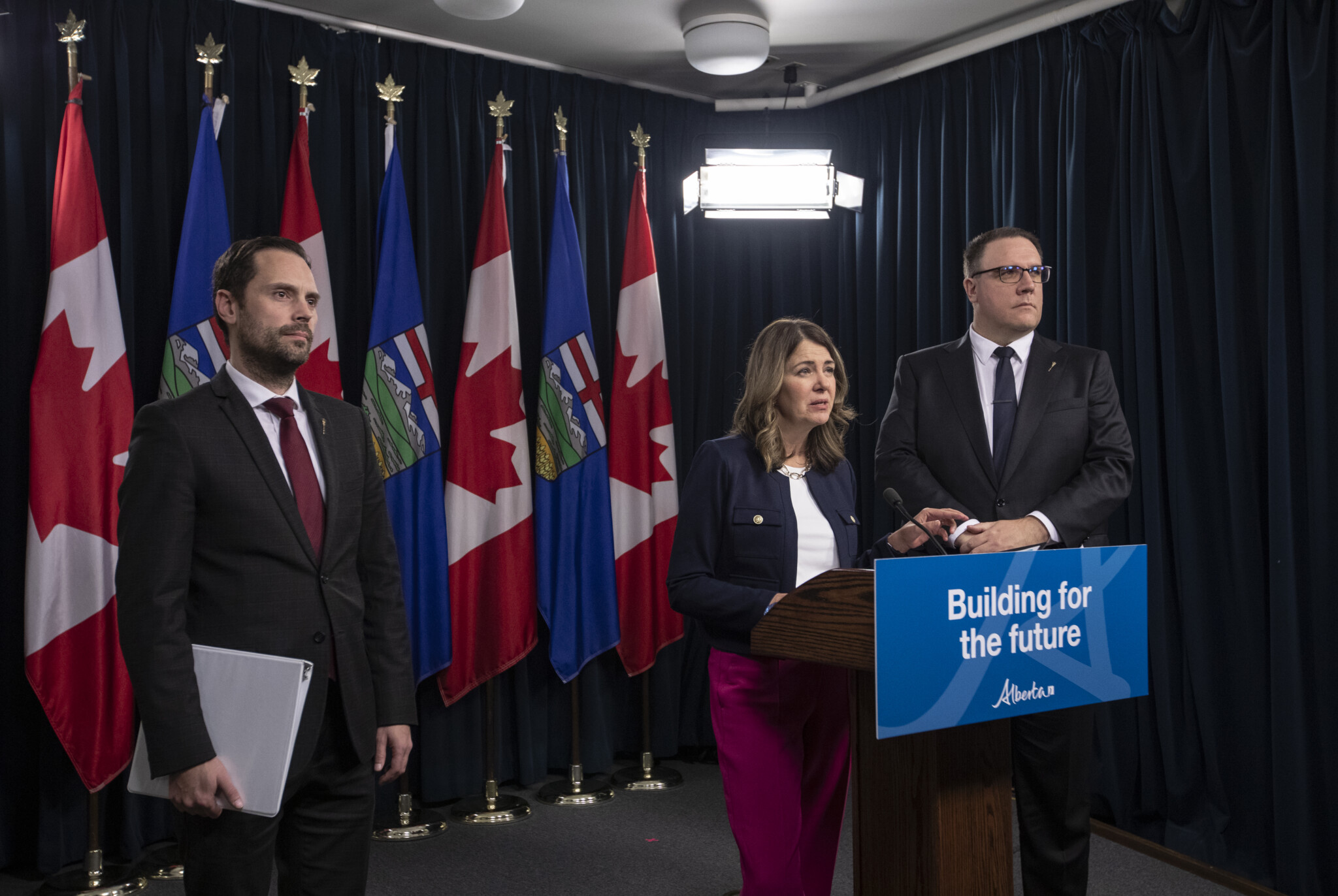
Last week, the Alberta government’s health-care legislation, including its proposal to establish a “dual-practice model” for physicians, received Royal Assent. This represents a significant (and even somewhat radical) reform in the Canadian context. But it’s actually standard practice among high-income countries with universal health care. These international experiences can provide useful lessons for Alberta policymakers as they implement the legislation in the new year.
Let’s begin with the problem. Despite having the second-highest health-care spending among the provinces in one of the most expensive universal health-care countries in the developed world, Albertans endure some of the worst access to physicians, hospital beds, and medical technologies (e.g., MRI), and wait times in some of the longest queues for treatment.
Why? In part because of the lack of a private competitive alternative to the universal public system.

For the new reforms to succeed, the government must improve its use of the limited medical resources available today and attract and add resources over time to continue improving access to care. Physicians are, of course, the trickiest resource, as it takes many years to train new doctors, while physicians from abroad must still run the gauntlet of approvals, recertification, and retraining.
In that sense, the decision to allow doctors to work in both public and private settings is on solid ground. Such changes allow maximum use of the doctors we have now, avoiding or at least minimizing situations where doctors could do more but are limited by operating time or hospital access. This option might also encourage some physicians to stay in Alberta for the additional earning opportunities or allow them to bring new innovations to the province for their private patients that may ultimately filter into the public system.
Alberta's health reforms aim to improve access. What lessons can it learn from other universal systems?
The article mentions a 'dual-practice model' for doctors. What are the potential benefits and drawbacks?
Alberta's reforms are described as 'timid' compared to other countries. What does this imply for the future of its healthcare?







Comments (7)
It’s a good start. The realization that Healthcare is slowly overwhelming the taxpayers will eventually force all the province to reform. Well done Alberta.