

Fault Lines examines the pressures pulling Canadian society apart and the principles that can hold it together. We look beyond headlines to understand how institutions, communities, and democratic norms are fraying. Our mission is to show how better choices can repair what is broken.
The following roundup gathers the stories to watch this week as Canada continues to grapple with these widening rifts.
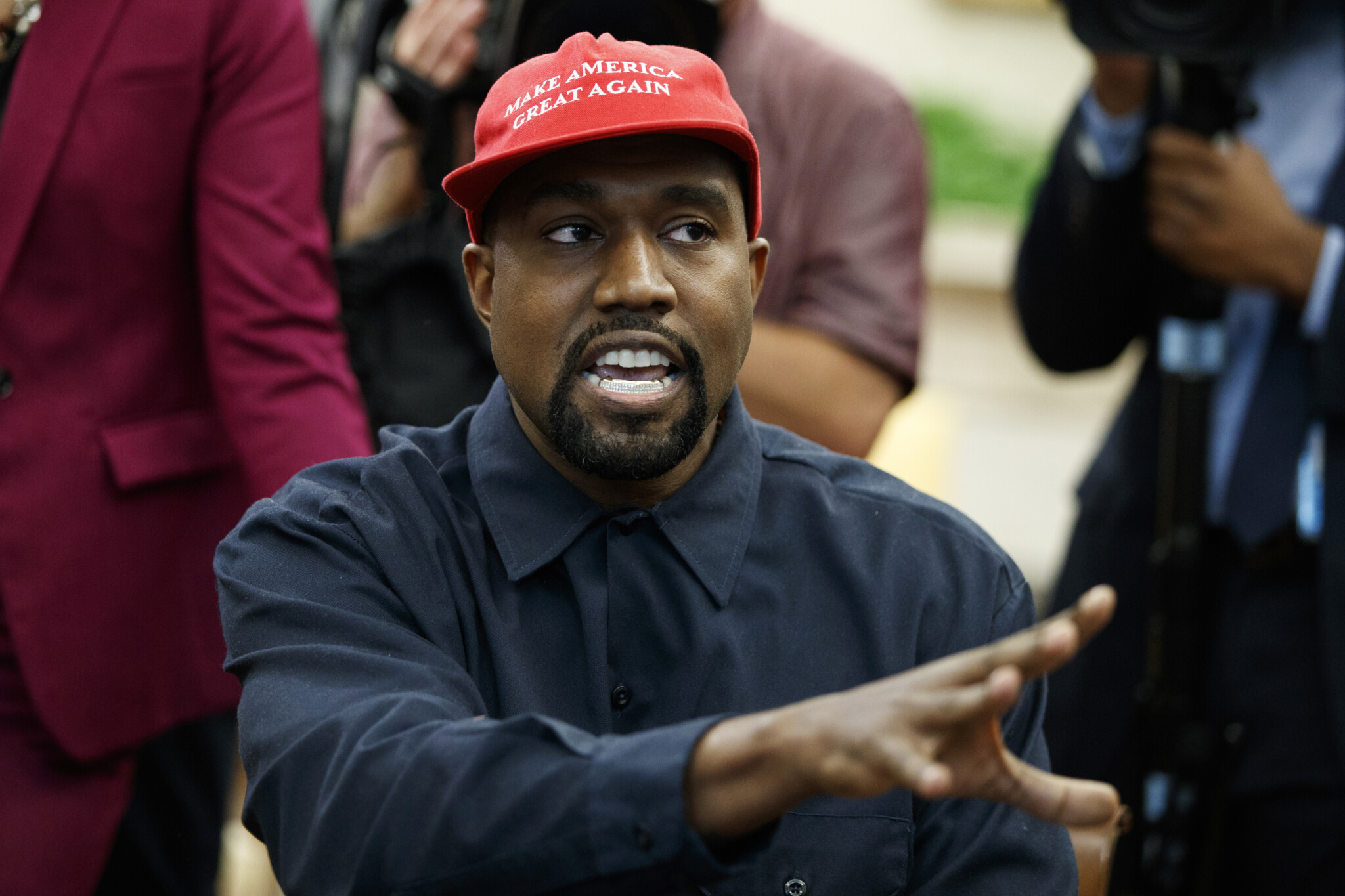
Kanye West’s apology is earnest—and not enough
One hopes that Kanye West’s recent (second) apology is sincere. It is long, intimate, and unmistakably earnest. He explains his mental illness, his brain injury, his manic episodes, and the personal wreckage they produced. He names his failures, asks for patience, and says he aspires to forgiveness.
It is also a remarkably modern document, not only in tone but in structure. It is an apology that explains everything, and therefore, in a quiet way, excuses almost everything too.
Mr. West frames his antisemitic outbursts as the product of misdiagnosed brain trauma and untreated bipolar disorder. He describes a state of altered consciousness in which judgment dissolved, responsibility blurred, and destructive symbolism became irresistible. He insists, despite the mounting pile of evidence, that he is not a Nazi and does not hate Jews.
All of that may be true. None of it resolves the larger problem.

The letter is less a confession than a case file. It catalogs causes, conditions, and mitigating factors; it moves steadily from injury to illness to treatment to recovery. By the end, the reader is not asked to forgive a man so much as to acknowledge a diagnosis.
This is the defining feature of the contemporary public apology. Wrongdoing is not denied, but it is reframed as pathology. Moral failure becomes a medical episode, and the self who did evil is subtly separated from the self who now writes.
Mr. West’s apology asks the public to understand how he arrived at antisemitism without asking the harder question of why antisemitism was waiting for him when he got there.
He did not invent the ideas he embraced. He absorbed them from a culture that has spent years normalizing conspiratorial thinking, structural suspicion, and the belief that hidden forces manipulate everything.
This roundup examines societal rifts in Canada, analyzing Kanye West’s apology for antisemitic remarks, The Maple’s targeting of journalists and Israelis, and Canada’s struggle with organized crime. West’s apology is critiqued for reframing moral failure as pathology, while The Maple’s actions are compared to the historical persecution of Jews. The Ryan Wedding case highlights Canada’s reliance on U.S. law enforcement to combat sophisticated criminal networks, exposing a vulnerability. The piece argues for better choices and stronger principles to mend these societal fractures.
Does Kanye West's apology, framing his actions as a medical issue, absolve him of responsibility?
How does the article draw a parallel between historical 'gold stars' and modern labeling of journalists and citizens?
What does the Ryan Wedding case reveal about Canada's approach to organized crime?







Comments (0)