
Earlier this month, an Alberta citizen’s initiative to deconstruct a pluralist, successful, internationally-respected system failed to get the required number of signatures to move forward. I’m referring, of course, to the initiative to defund independent schools in this province—schools that have long contributed to Alberta’s uniquely pluralistic education system, which consistently outperforms other provinces on international assessments while operating at the lowest per-pupil cost in the country.
Readers may know that Alberta is unique in its openness to direct democracy and has only become more so since Premier Danielle Smith’s reforms to the Citizen Initiative Act in 2025. In this province, a citizen can propose an initiative, have it certified, and collect signatures to have that initiative go to a referendum.
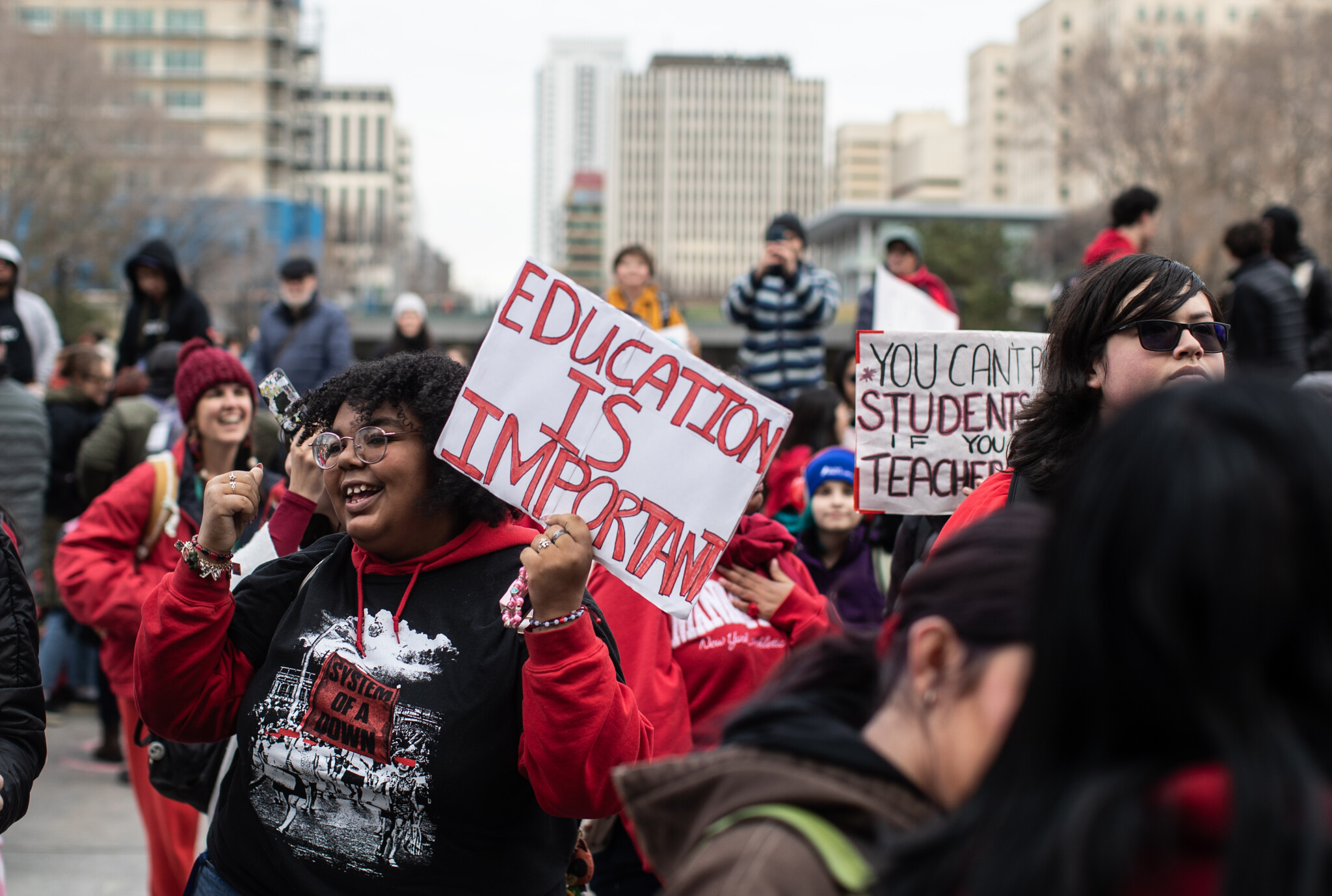
Tensions have been high between the United Conservative Party (UCP) government and teachers’ union activists, so it was perhaps no surprise that those activists were among the first groups to take advantage of these mechanisms.
A string of recall initiatives targeting the minister of education and other UCP MLAs were certified, though none have yet been successful, as was this initiative from a teachers’ union-linked group called Alberta Funds Public Schools, which read, “Should the Government of Alberta end its current practice of allocating public funds to acreddited [sic] independent (private) schools?”

That current practice is that a portion of the provincial per-student funding follows the student to whichever school they attend. Public, Catholic, Francophone, and charter schools all receive 100 percent of that per-student funding grant, while non-profit independent schools receive up to 70 percent. It’s not fully equal, but it means that independent schools in Alberta are more open to families than they are in many other provinces.
Independent schools still charge tuition—there’s still no equitable funding for capital expenses, and you generally can’t pay your staff much less—but it’s much lower than it otherwise would be, and within range for many working- and middle-class families, whose education taxes can now fund their own kids’ educations, no matter what type of school they attend.
An initiative to defund independent schools in Alberta failed to gain enough signatures to proceed to a referendum—a win for those who support the province’s pluralistic education system. This system, which includes funding for independent schools, contributes to the province’s strong performance on international assessments at a low per-pupil cost. Public, Catholic, Francophone, and charter schools receive 100 percent of per-student funding, while non-profit independent schools receive up to 70 percent. Alberta has been successful in international testing, and its pluralistic approach fosters innovation and competition among schools.
How does Alberta's funding model for independent schools differ from other provinces, and what are the potential impacts of changing it?
What are the arguments for and against Alberta's current system of funding independent schools, according to the article?
How does Alberta's education system perform compared to other provinces, and how might its funding model contribute to this performance?






Comments (0)