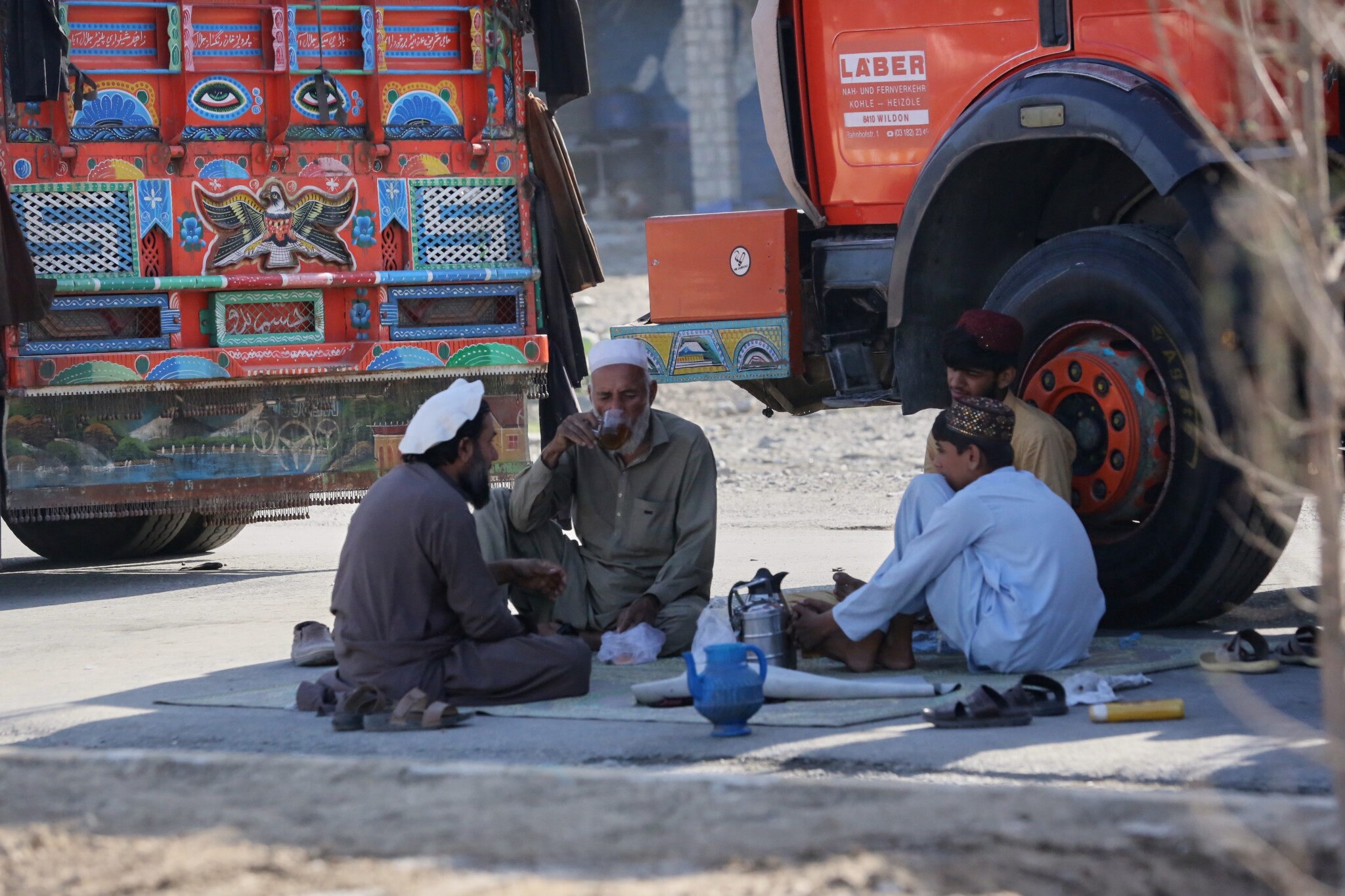
‘Those left behind feel betrayed’: BBC chief correspondent on Afghanistan’s fate
Lyse Doucet, chief international correspondent for the BBC, explains how after more than 50 years of constant war and invasion, Afghanistan can be both “the graveyard of empires” and home to the most welcoming people on the planet.
She discusses our country’s legacy in Afghanistan after our longest-ever conflict, the “polycrisis” the country currently faces in the form of fundamentalist Islamic rule, famine, and earthquakes, and answers whether Afghans still have hope for the future. She also responds to allegations of institutional bias at the BBC. Her new book is called The Finest Hotel in Kabul: A people’s history of Afghanistan.
You can listen to this episode on Amazon, Apple, and Spotify.

Program Summary
This is an automated summary. Please check against delivery.
The enduring impact of international engagement in Afghanistan continues to shape discussions about foreign intervention, humanitarian responsibility, and the future of nations emerging from prolonged conflict. More than four years after the Taliban’s return to power, questions persist about what was achieved during two decades of Western involvement and what obligations remain toward the Afghan people.
Afghanistan’s strategic position has historically made it a focal point for competing powers, from imperial rivalries to Cold War tensions and post-September 11 military operations. The country’s landlocked geography and cultural complexity have repeatedly challenged external forces seeking to influence its trajectory. Recent reflections on this history emphasize that successful engagement requires understanding local culture and working alongside communities rather than imposing external solutions.
The international mission that began in 2001 initially focused on security concerns following terrorist attacks, but gradually expanded into broader nation-building efforts. Canada played a significant role in this engagement, deploying tens of thousands of troops and taking responsibility for challenging regions. This participation elevated Canada’s profile in international forums and demonstrated commitment to collective security efforts.
During the period of international presence, Afghanistan experienced unprecedented social transformation. A generation came of age with access to education, employment opportunities, and connections to the broader world that previous generations never experienced. Women entered professional fields, universities expanded, and civil society organizations flourished. These developments created lasting changes in how many Afghans understand their rights and potential within an Islamic framework.
The chaotic withdrawal in 2021 represented a traumatic reversal that left deep wounds across Afghan society and among international partners. The scenes at Kabul’s airport, where desperate crowds sought escape, highlighted the human cost of strategic decisions made far from the ground. Many who worked alongside international forces remain stranded, either in Afghanistan or neighboring countries, awaiting resettlement that may never come.
Current conditions in Afghanistan present severe challenges, particularly for women and girls. Restrictions on education beyond elementary levels and limitations on women’s participation in public life represent dramatic setbacks from the previous two decades. These policies affect not only those directly impacted but also families and communities struggling with economic hardship and limited opportunities. The situation is compounded by natural disasters, climate impacts, and reduced international aid.
Despite these difficulties, resistance persists in various forms. Secret schools operate, online education continues where possible, and many Afghans maintain connections to international networks. Even within the Taliban movement, voices exist that question the strictest interpretations of Islamic law regarding education and women’s participation in society.
The lessons from Afghanistan extend beyond that country’s borders. International interventions require humility, cultural understanding, and genuine partnership with local populations. Quick fixes prove illusory in societies with deep historical roots and complex social structures. The assumption that external actors possess ready answers to internal challenges has repeatedly proven flawed.
Given Afghanistan's history as a 'graveyard of empires,' what lessons should future international interventions prioritize?
What are the most significant setbacks Afghans face under current fundamentalist Islamic rule, particularly for women and girls?
Despite immense challenges, what forms of resistance and hope persist in Afghanistan?


Comments (0)