

Is it goodbye or au revoir to 2025? Bad things happened this year, to Canada and the world, so maybe good riddance. On the other hand, I had a pretty good year personally and professionally. Sometimes that’s how it goes.
The wine world as a whole is not particularly in great shape. Less wine is being drunk and sold. This year, the International Organisation of Wine and Vine think tank reported that wine consumption by volume in 2024 was as low as it was in 1961, despite a half-century of population growth.
On the other hand, the Ontario winemakers I hung out with in Niagara in July, and who I see in Toronto from time to time, are reporting one of their best years ever. Their stories checked out: the LCBO reported a 67 percent growth in Ontario-made wine sales between February and October. This had a lot to do with the provincial ban on the sales of U.S. wine.
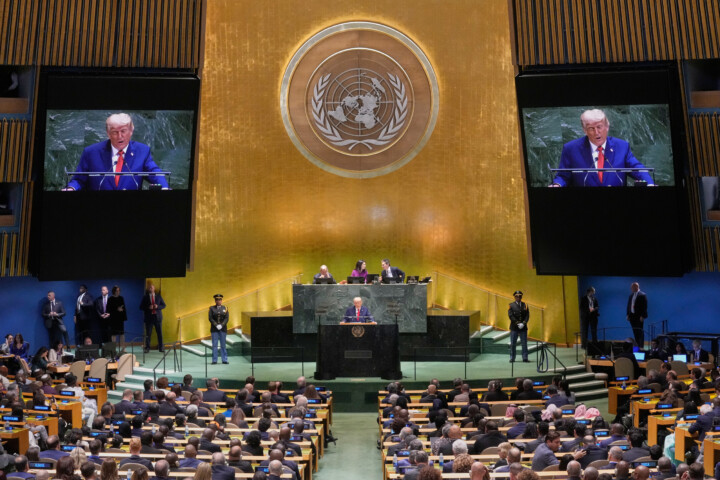
Mark Carney called Donald Trump a “transformational” president, so if he transformed a few more of us into local wine consumers, we ought to take the win.

I was in France on April 2nd, the so-called “Liberation Day,” when Trump announced the tariff rates. I was at a party hosted by Michel Chapoutier at his family’s Tain winery in the Northern Rhône Valley. It was well into the evening, and the wine had been flowing from giant bottles named after Biblical kings that required special levers to be poured.
The mood that night, among the French wine trade and international press that had gathered, was one of celebration. There was clapping and hooting and glasses clinking when Chapoutier climbed on stage to deliver the news. A duty of “only” 15 percent seemed much better than whatever had been previously either threatened, hinted at, or imagined.
It turned out to be a good night, but I think I’d rather be in a cellar in Champagne when free trade is reestablished and valued in the free world. Seven or eight months later, the party is definitely over. The mood among European producers whom I’ve met in Canada, often on their way to or from seeing their U.S. importers, is much more subdued and worrisome.
With global wine consumption at 1961 levels, what does this signal about changing consumer habits and the future of the wine industry?
How might the U.S. wine tariffs impact the global wine market and Canadian consumers specifically?
Given the economic pressures, is the trend towards more affordable wines a sign of industry adaptation or a symptom of declining demand for premium products?






Comments (2)
Not a word about BC wine in this article………..