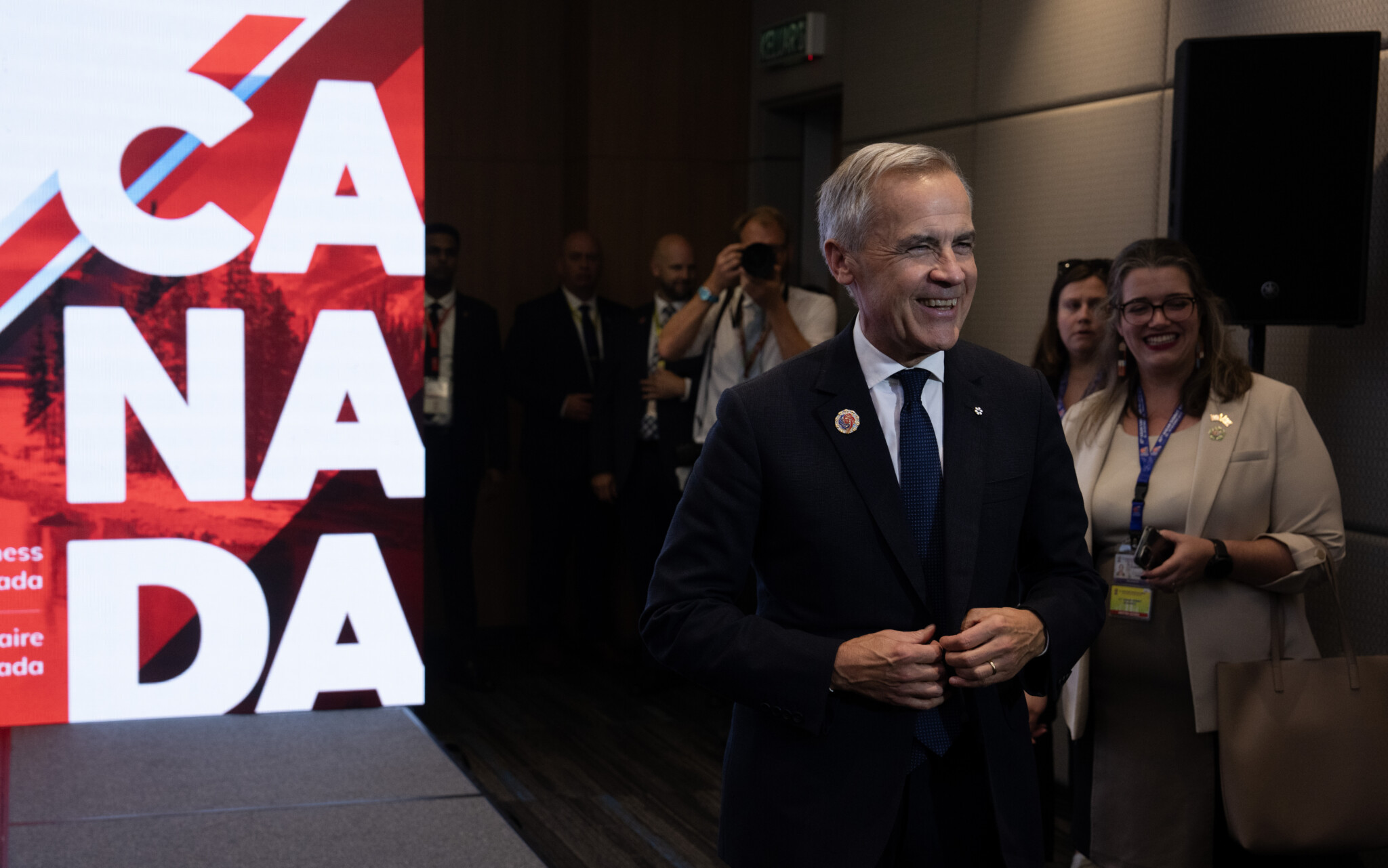

The string of geopolitical shocks that have kick-started 2026 is a reminder that sovereignty has become a defining issue of our time.
The concept—sovereignty—is a catch-all that can mean whatever you want it to mean, much like the sustainability framework before it. But at its core, it refers to a nation’s capacity to govern itself independently, without being overly constrained by other countries or circumstances like external shocks. Self-reliance and resilience, in other words.
This shift is global. The Europeans call their sovereignty-based framework “strategic autonomy.” In Canada, the concept is at the very centre of Prime Minister Mark Carney’s governing agenda.
But what does it all look like in practice? How exactly is this new sovereignty zeitgeist reshaping public policy? And what does it mean for the private sector?
While there’s still plenty of debate over the degree of change taking place, some trends are clear: in a world of growing uncertainty, countries are placing a premium on policies that bring stability. And in response, they are building new economic, political, military, and institutional capacities to reduce vulnerability.
This is not a recent global trend. But it has accelerated in recent years, fueled by the COVID-19 pandemic, the Ukraine war, inflation, the rise of populism, global economic fragmentation, etc. The result has been a resurgence of economic nationalism, government intervention, and protectionism.
President Donald Trump’s threats to impose a new 10 percent global tariff, in response to the U.S. Supreme Court’s decision on Friday to strike down some other duties, only accentuate the point.
It’s an unsettling environment.
The rise of economic sovereignty is a defining issue, driven by geopolitical shocks and global uncertainty. This trend, seen globally as “strategic autonomy” (Europe) and central to Prime Minister Carney’s agenda (Canada), prioritizes national self-reliance and resilience. The resurgence of economic nationalism, government intervention, and protectionism poses challenges to Canada’s open economy, heavily reliant on exports and foreign assets. The return of industrial policy carries risks of higher prices and inefficiency. There is a need for Canadian businesses to actively engage in shaping sovereignty-driven policies, enhancing state capacity, and fostering collaboration between the private and public sectors to navigate this evolving landscape.
How might Canada's pursuit of economic sovereignty impact its long-standing commitment to a stable global trading system?
What specific actions can Canadian businesses take to effectively engage with the government on shaping the economic sovereignty agenda?
Given the limitations of the federal bureaucracy, what are some sustainable solutions beyond 'workarounds' to achieve Canada's sovereignty-based goals?





Comments (11)
Predominately left of center governments have created most of the problems we are facing. It is really not very smart to trust them to find the cure. The fact that bureaucrats are making all the decisions right down to how many parking spaces a lumber yard must have, and what the signage on the building must look like explains all our problems