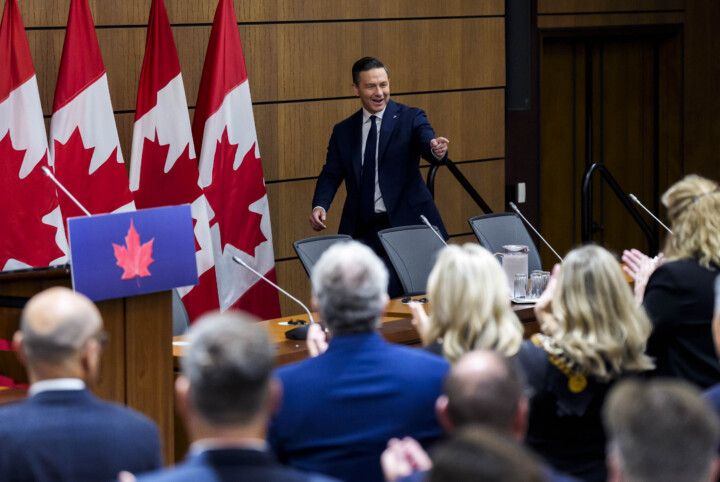
‘A delicate balance’: Why the Conservative convention is a crossroads for the party
Episode Description
The Conservative Party of Canada is gathering in downtown Calgary this week for its national convention, bringing together delegates, strategists and elected officials for three days of policy debates, networking events and a leadership review of party leader Pierre Poilievre. The meeting takes place as Conservatives assess their readiness for a potential federal election and debate proposals that could shape the party’s next platform.
Party officials say the decision to hold the convention in Calgary reflects the city’s capacity to host large national events and the party’s practice of rotating convention sites across the country. The gathering coincides with the Ontario PC convention, highlighting the distinct organizational structures and priorities within the broader conservative movement.
This year’s convention also comes as Conservatives mark two decades since forming government under former prime minister Stephen Harper in 2006. Observers are weighing how the coalition has evolved since then, as a growing share of younger voters have no direct memory of a Conservative federal government.
Delegates are reviewing a policy book that includes proposals on criminal justice, tax policy and infrastructure development. Among the items under discussion are changes to bail laws, adjustments to personal income taxes, and the creation of a pre-approved east-west economic corridor to facilitate energy and other infrastructure projects across provincial boundaries.
The convention unfolds amid shifting national political dynamics, with attention focused on party organization, fundraising capacity, and candidate recruitment. Poilievre’s leadership review, conducted by secret ballot, is expected to serve as an internal measure of party unity and confidence as Conservatives position themselves for the next federal campaign.
This summary was prepared by NewsBox AI. Please check against delivery.
Conservative strategist Amber Ruddy and former Alberta NDP staffer Keith McLaughlin join The Hub’s Falice Chin in downtown Calgary—just steps from the Conservative Party of Canada convention—for the inaugural episode of Alberta Edge’s new cross-partisan political panel.
Recorded as delegates gather for Pierre Poilievre’s leadership review, the conversation digs into how Conservative conventions actually work—from delegated voting and policy gatekeeping to coalition shifts, and the institutional durability of the modern Conservative Party. The episode offers a grounded look at how power, persuasion, and party machinery shape outcomes inside the movement.
How might the Conservative Party's focus on labor issues impact their appeal to working-class voters?
What is the significance of the proposed national utility corridor for Canada's infrastructure?
Given the evolving political landscape, what are the key challenges for the Conservative Party in preparing for an election?

Comments (3)
Thanks for the feedback. Have you checked out the other podcast episode with Ian Brodie?
https://thehub.ca/podcast/video/he-has-to-persuade-people-whats-at-stake-for-poilievre-at-the-cpc-convention/