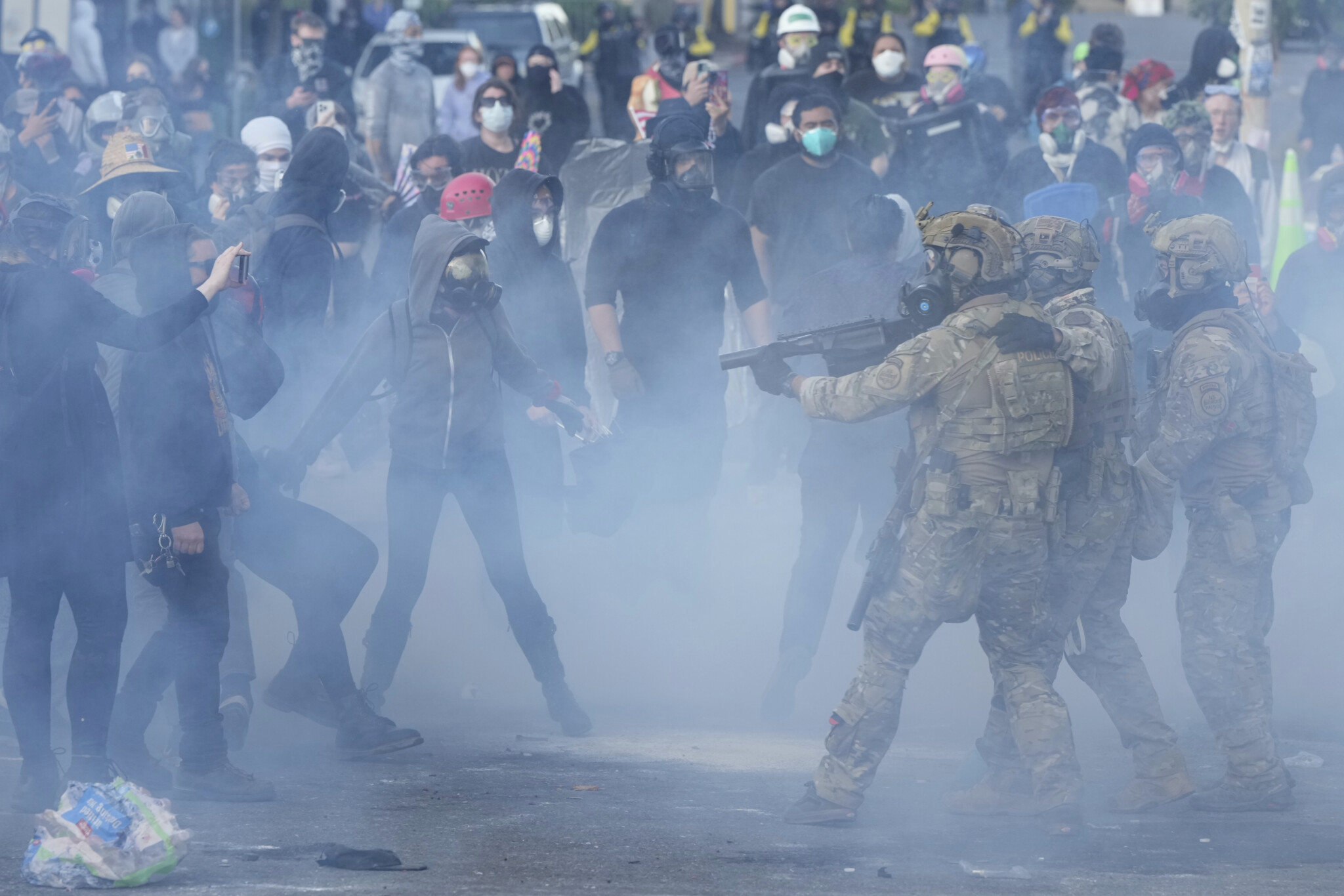
‘There is a sense of disorder’: How dramatic shifts in immigration, crime, and antisemitism are changing the West

Fault Lines examines the pressures pulling Canadian society apart and the principles that can hold it together. We look beyond headlines to understand how institutions, communities, and democratic norms are fraying. Our mission is to show how better choices can repair what is broken.
You can listen to this episode on Amazon, Apple, and Spotify.
Episode Description
Political discourse in Western democracies has undergone significant transformation over the past two decades, particularly on issues of immigration, crime, and antisemitism. What were once mainstream positions held by politicians across the ideological spectrum have become increasingly polarized, creating challenges for democratic societies attempting to address complex policy questions.
Immigration policy represents one of the most dramatic shifts in political positioning. Democratic leaders in the United States who once advocated for secure borders and strict enforcement of immigration laws now face pressure from progressive constituencies to adopt more permissive approaches. This evolution has occurred despite consistent public opinion suggesting that widespread illegal immigration remains unpopular across Western nations. The disconnect between political rhetoric and public sentiment has created policy paralysis in multiple countries, with governments appearing reluctant to address border security concerns that resonate with voters.
Canada has experienced similar dynamics, with immigration levels reaching unprecedented scales in recent years. Questions have emerged about whether rapid increases in newcomers resulted from administrative mismanagement or reflected deliberate ideological choices. The Canadian system has faced criticism for programs that appeared to facilitate economic migration through educational channels and asylum claims lacking legitimate foundations. These developments have sparked debate about the relationship between immigration volumes and social infrastructure, including housing availability, healthcare capacity, and economic opportunities.
Urban crime and policing policies have followed comparable trajectories. Progressive cities across North America and Europe have implemented approaches that critics characterize as tolerant of disorder, despite evidence that voters consistently reject elevated crime levels. The pendulum appears to be swinging back in some jurisdictions, with electoral outcomes suggesting public patience for permissive policies has limits. However, ideological commitment in certain cities may prolong the adoption of more traditional law enforcement approaches.
The legitimacy of policing itself has become contested terrain. High-profile incidents have generated national conversations about law enforcement practices, potentially undermining police authority to enforce existing laws. This dynamic creates complications for cities attempting to restore order while navigating heightened scrutiny of police conduct.
Antisemitism has emerged as a growing concern throughout Western societies. The issue extends beyond isolated incidents to institutional acceptance of positions hostile to Jewish communities, often framed as anti-Zionism. Universities, media organizations, and other institutions have either tolerated or embraced perspectives that previous generations would have rejected. This institutionalization represents a departure from earlier patterns where antisemitism remained confined to fringe elements.
The relationship between immigration patterns and rising antisemitism has drawn attention, particularly regarding communities with different cultural attitudes toward Jewish populations. However, the phenomenon cannot be attributed solely to demographic changes. Progressive ideological frameworks have incorporated critiques of Israel that sometimes blur into broader hostility toward Jews, creating challenges for traditional liberal commitments to pluralism and tolerance.
This summary was prepared by NewsBox AI. Please check against delivery.
Elliot Kaufman, Wall Street Journal opinion writer and editorial board member, discusses the dramatic shifts in Western political discourse on immigration, crime, and antisemitism over the past two decades. He examines how policies that were once mainstream became polarizing, and the role of academic elites, activist groups, and judicial constraints in shaping debates.
He also analyzes rising antisemitism across Western democracies, anti-Zionism being institutionalized, and concerning trends on both the political Left and Right regarding Jewish communities.

Comments (1)
I really enjoyed the interview with Elliot Kaufman. I listen to him often on the Wall Street Journal pod, Potomac Watch.
Another Canadian I would love to hear interviewed on The Hub is Dan Senor, from the pod, Call Me Back. During the Israeli-Gaza War, it was my most trusted source for analysis of what was going on. It was not only very in-depth but much more balanced and accurate than reporting from the NY Times, Washington Post–and head and shoulders above the The Globe and Mail, CBC or CNN.