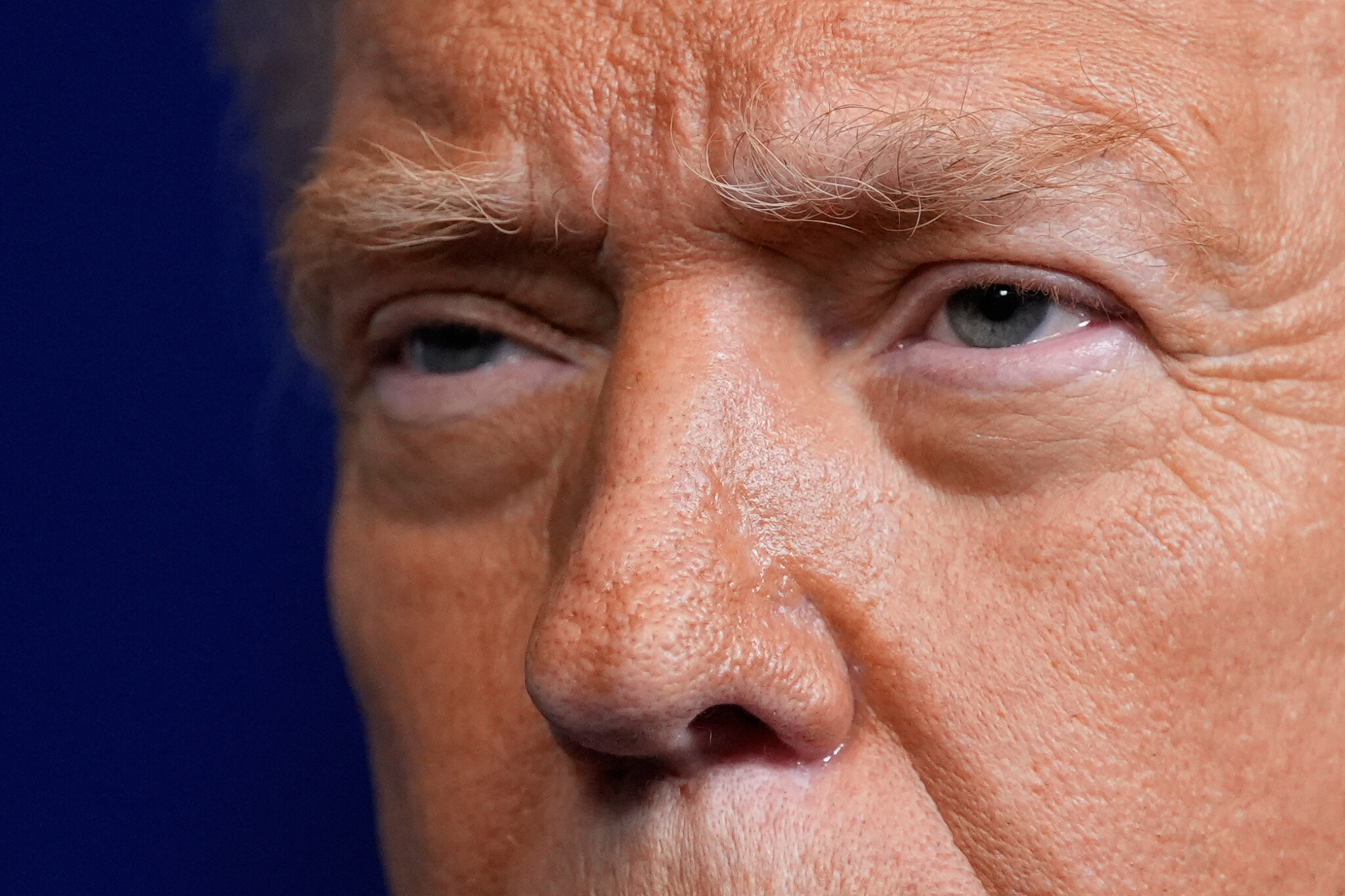
‘This would be crossing a Rubicon’: Why Donald Trump has his sights set on Greenland
Rudyard Griffiths and Sean Speer discuss the Trump administration’s renewed interest in Greenland and its geostrategic importance. They examine the island’s independence movement and whether the U.S. could leverage Greenlandic autonomy desires against Denmark.
They also address White House deputy chief of staff Stephen Miller’s provocative comments around military action in Greenland, the broader MAGA administration’s approach to allied sovereignty, and Canada’s stronger stance on Greenland compared to Venezuela.
You can listen to this episode on Amazon, Apple, and Spotify.
Program Summary
This is an automated summary. Please check against delivery.
The Trump administration’s renewed focus on Greenland has emerged as a significant test case for American foreign policy in the Western Hemisphere, prompting concerns among allies about the future of territorial sovereignty and international norms. The situation has taken on greater urgency following recent American actions in Venezuela, leading European and North American leaders to reassess their strategic relationships with Washington.
Greenland represents a complex geopolitical puzzle that extends beyond simple territorial ambitions. The island holds strategic importance for Arctic security, though successive American administrations had shown limited interest in the region until recently. The current focus reflects broader concerns about security arrangements in the Arctic and questions about whether existing governance structures adequately protect American interests in the region.
The situation is complicated by genuine autonomy movements within Greenland itself. A significant portion of the island’s population has long sought to redefine their relationship with Denmark, driven by perceptions of historical underinvestment and a desire for greater self-determination. This internal dynamic creates opportunities for external actors to influence Greenland’s political future through economic incentives and promises of investment rather than military force.
The prospect of American involvement in Greenland raises fundamental questions about alliance structures and international law. Both Denmark and the United States are NATO members, creating a paradoxical situation where traditional security guarantees could theoretically be invoked against an ally. This unprecedented scenario has prompted European leaders to rally around Denmark’s territorial integrity while navigating the complexities of maintaining transatlantic cooperation.
Canada’s response to these developments reveals the difficult position facing American allies. Canadian political leaders have expressed stronger support for Danish sovereignty over Greenland than for other recent international developments, reflecting the particular sensitivity surrounding actions that could undermine a fellow democracy and NATO partner. The situation forces Canadian policymakers to balance their traditional alignment with American interests against principles of territorial sovereignty and international law.
The broader implications extend beyond Greenland itself. The current approach reflects an assumption that allies will ultimately accept American pressure due to the fundamental benefits of economic and security arrangements. This strategy may yield short-term gains but risks long-term damage to alliance structures and America’s global standing. Countries may respond by seeking greater self-sufficiency or alternative partnerships, potentially leading to a more fragmented international order.
The situation also highlights tensions within contemporary nationalist movements. While emphasizing national sovereignty domestically, some political forces appear less sensitive to similar concerns in other nations. This inconsistency creates diplomatic challenges and undermines efforts to build coalitions based on shared principles.
For Canadian politics specifically, the Greenland situation presents both challenges and opportunities. Political leaders across the spectrum must navigate between maintaining productive relations with Washington and defending principles of sovereignty that could have direct implications for Canada’s own territorial integrity. The response to developments in Greenland may signal how Canadian governments would handle similar pressures closer to home.


Comments (1)
I don’t disagree with anything either of you are saying. However, it seems manifestly obvious that North America is in a cold war with China. I am far more afraid of the Chinese than I am of an American invasion, and Canadian media on average does a poor job of fully outlining the threat. While I agree with so many of your criticisms of Trump, sometimes a show of power can be helpful in persuading a despot (China, Russia, etc) to back off. I don’t think it was coincidental that Chinese diplomats were visiting Maduro when the capture took place.