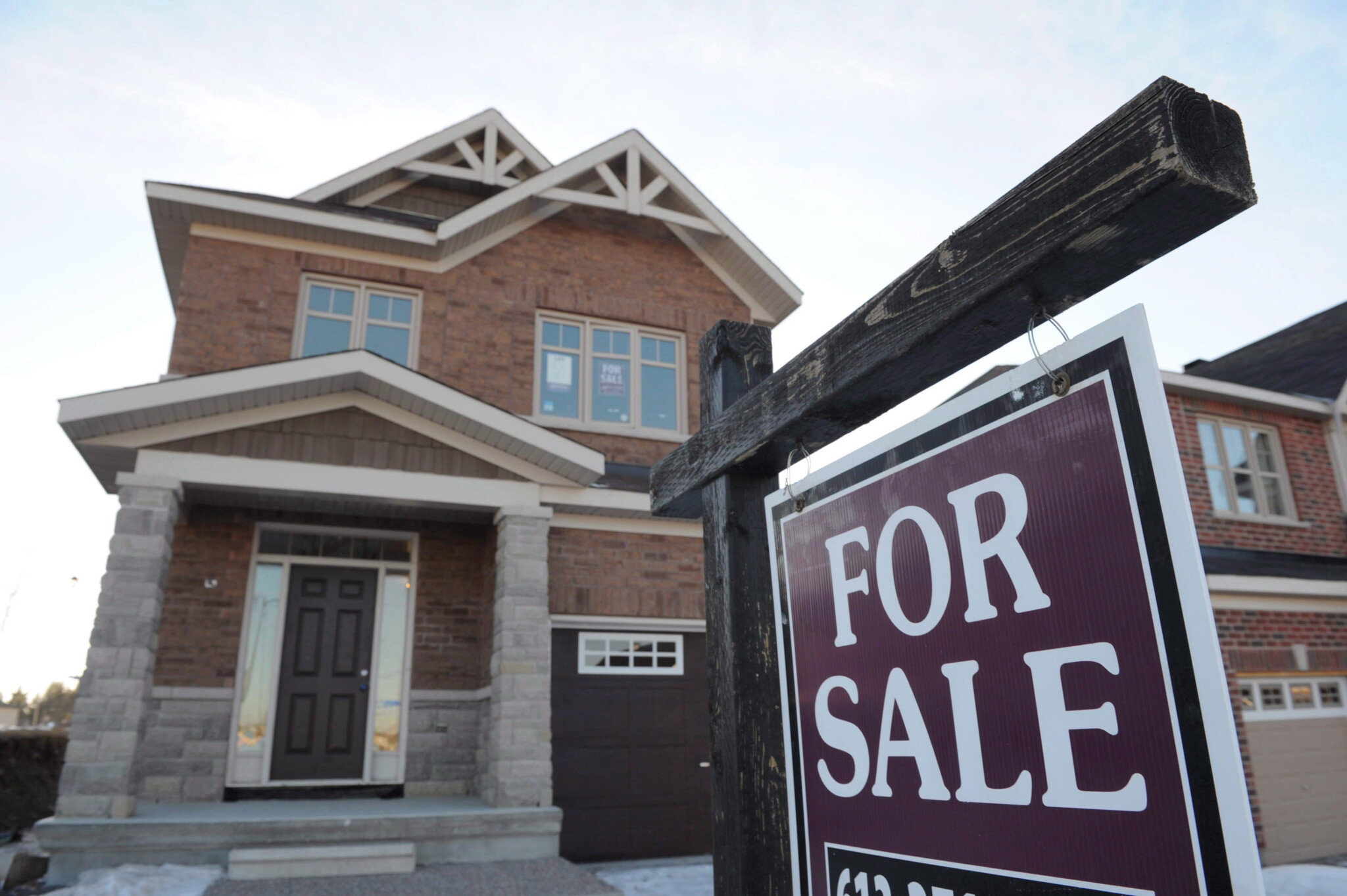

Canada’s housing debate feels contradictory because two realities appear to be colliding. The country has a well-documented housing shortage, yet in many cities there are now more homes available for sale than at any point in recent years, often with price reductions or buyer incentives attached. To many Canadians, this looks like the shortage easing—just as policymakers warned it was becoming more severe.
In fact, both things can be true at the same time.
The confusion comes from treating housing as a single problem when it’s shaped by two very different forces. One is structural and long-term, while the other is cyclical and financial. When governments fail to distinguish between these forces, they often respond to short-term market conditions in ways that deepen the underlying structural shortage.
Canada’s housing shortage was not created by the recent interest rate cycle. It reflects decades of underbuilding in the places people most want to live, reinforced by zoning rules that limit modest density, approval processes that introduce delay and uncertainty, and a growing stack of taxes and fees attached to every new home. These pressures are compounded by rising construction costs, including increasingly expensive and inelastic unionized labour costs, which now represent a meaningful share of the cost of building housing.
Over time, this has produced a housing system that is slow to respond to market changes, even when demand is strong.

The consequences of this shortage extend well beyond prices. Ultimately, we are now seeing the cultural impacts of these policy failures. Young adults remain in their parents’ homes longer than they would prefer. Family formation is delayed or abandoned altogether. Many households are pushed into longer commutes and suburban sprawl, not because they choose it, but because housing in cities is too constrained and costly. Traffic congestion gets worse, infrastructure costs rise, and smaller towns and rural communities are forced to absorb growth driven by constraints in major urban centres.
None of these pressures disappears simply because the market cools.
Canada faces a housing paradox: a documented shortage coexists with unsold homes, often at reduced prices. This confusion stems from conflating structural, long-term underbuilding with cyclical, financial market conditions. Decades of restrictive zoning, lengthy approval processes, and rising construction costs have created a system slow to respond. Higher interest rates have reduced affordability, widening the gap between what buyers can pay and the cost of new construction, leading to misaligned supply. Cooling markets don’t solve the shortage but worsen it, emphasizing the need for policy reforms focused on increasing predictable supply rather than demand-side interventions.
Why can Canada have a housing shortage with unsold homes?
What are the cultural impacts of Canada's housing shortage?
How do government policies worsen the housing shortage?







Comments (4)
A very insightful analysis of the housing market. Lawrence Smith, Professor emeritus, economics, university of Toronto